
Simsbury Author Explores Grief and Catholic Hope in New Book
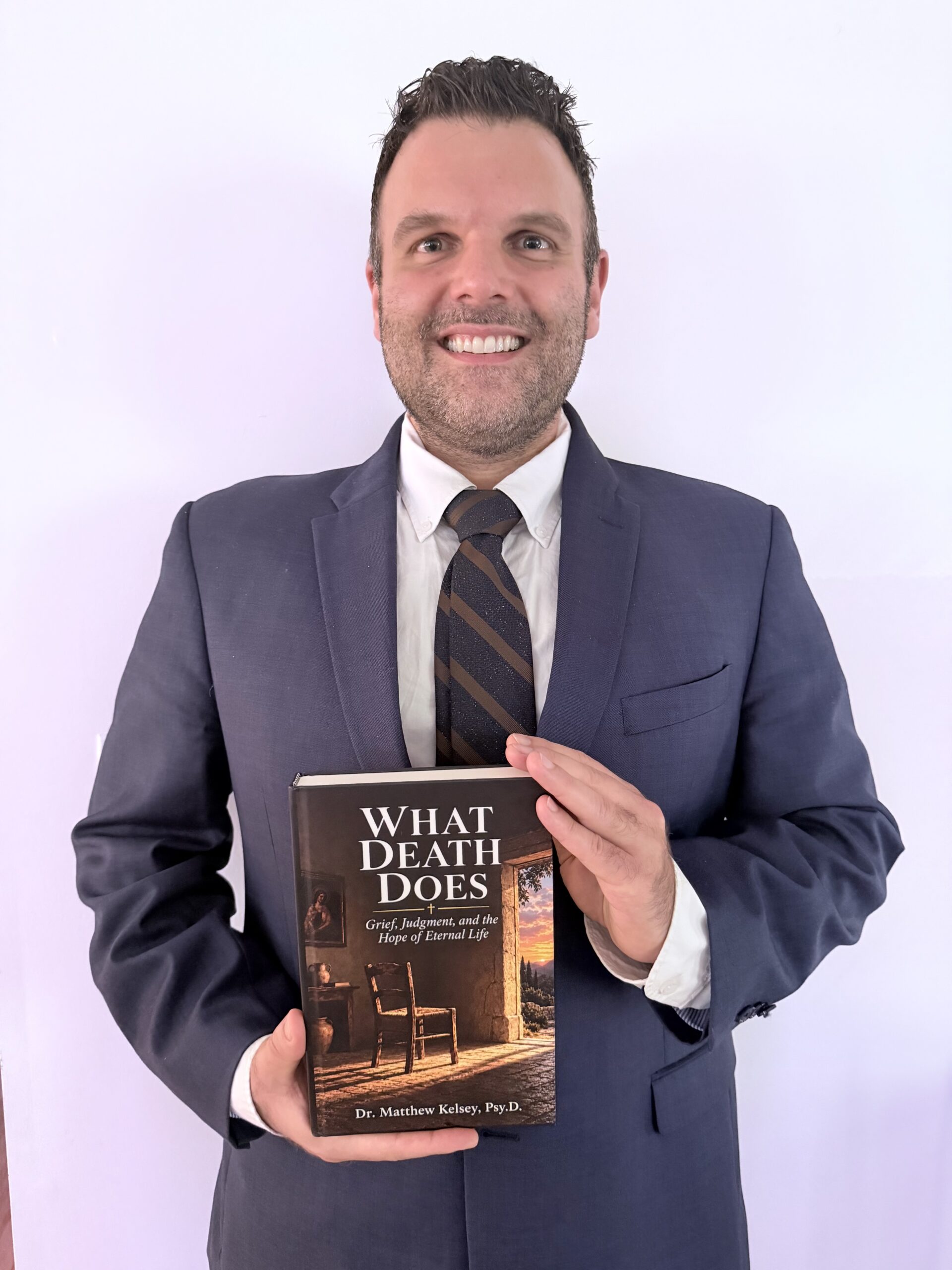
In his new book, What Death Does: Grief, Judgment, and the Hope of Eternal Life, a local author explores what death asks of the living. Bringing his psychological perspective into conversation with Catholic faith, Simsbury resident Matthew Kelsey, a clinical psychologist, Army veteran, and parishioner at Our Lady of Knock, considers grief, judgment, mercy and the hope of eternal life.
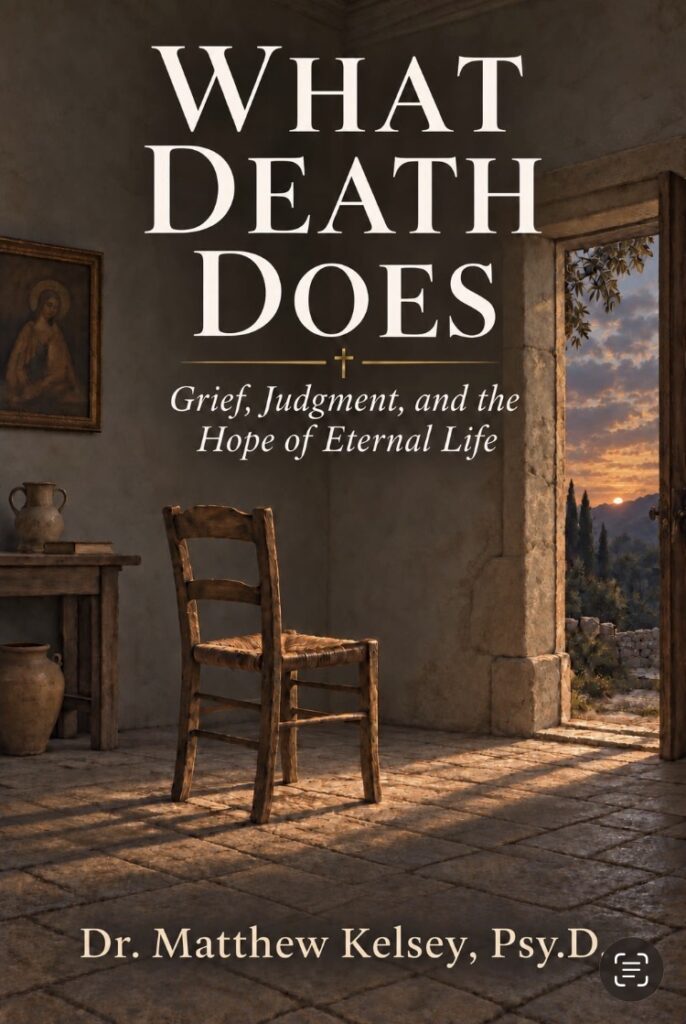
At the heart of his perspective is the conviction that faith does not require people to minimize the pain of losing someone they love. A person can believe in the resurrection and still struggle with an empty chair, an unanswered telephone or the instinct to share news with someone who is no longer there. For Kelsey, these experiences do not demonstrate insufficient faith. They reveal how deeply another person’s presence becomes woven into ordinary life.
This understanding shapes his approach to religious consolation. Assurances about heaven, however sincerely offered, can leave grieving people feeling that their sadness needs to be corrected. Kelsey believes Catholic hope allows room for mourning without imposing a timetable for recovery. Accompanying someone may mean listening, bringing a meal, remembering an anniversary or continuing to call after others have returned to their routines.
Jesus’ own response to suffering is central to this view. His tears at Lazarus’ tomb show that grief has a place even in the presence of the promise of resurrection. His anguish in Gethsemane and his cry from the cross make room for honest prayer when suffering feels overwhelming. Kelsey believes people can bring fear, confusion and even a sense of abandonment before God without having to turn those feelings into a reassuring conclusion first.
He also takes seriously the Catholic conviction that death brings a person before God. Judgment gives moral weight to the choices made throughout a lifetime: how people treat others, what they neglect and whether they accept opportunities to repent and repair harm. In Kelsey’s view, mercy offers hope precisely because wrongdoing and its consequences are real. Trust in God’s mercy invites an honest examination of conscience, repentance, and a willingness to be changed.
That perspective has practical implications for the present. Awareness of mortality can encourage people to seek reconciliation, express affection and reconsider what occupies their attention. Kelsey believes the uncertainty of how much time remains gives urgency to ordinary acts of love. Relationships cannot always wait for a less demanding season of life.
His Catholic hope is rooted in Christ’s resurrection and the promise of the resurrection of the body. The person who dies is more than a memory, and the body is more than something disposable. This belief gives depth to the Church’s care for the dying, reverence for the dead and prayer for those who have died. It also allows hope to coexist with humility about what human beings cannot fully comprehend.
What Death Does: Grief, Judgment, and the Hope of Eternal Life is available on Amazon.